
Our Story
Daily Life in Ancient Egypt
Beyond the pyramids, temples, and tombs lived millions of ordinary Egyptians whose work sustained one of history’s greatest civilizations. Discover how ancient Egyptians farmed, ate, worked, raised families, built homes, practiced medicine, and spent their free time along the fertile banks of the Nile.
overview
When people think of Ancient Egypt, they often imagine:
- Pharaohs
- Pyramids
- Golden treasures
- Magnificent temples
Yet kings represented only a tiny fraction of Egyptian society.
The true foundation of Egypt was its people.
For more than three thousand years, millions of Egyptians lived, worked, married, worshipped, and raised families along the Nile Valley.
Their daily routines created one of the most stable and successful civilizations in human history.
Understanding how ordinary Egyptians lived provides a more complete picture of Ancient Egypt than monuments alone ever can.
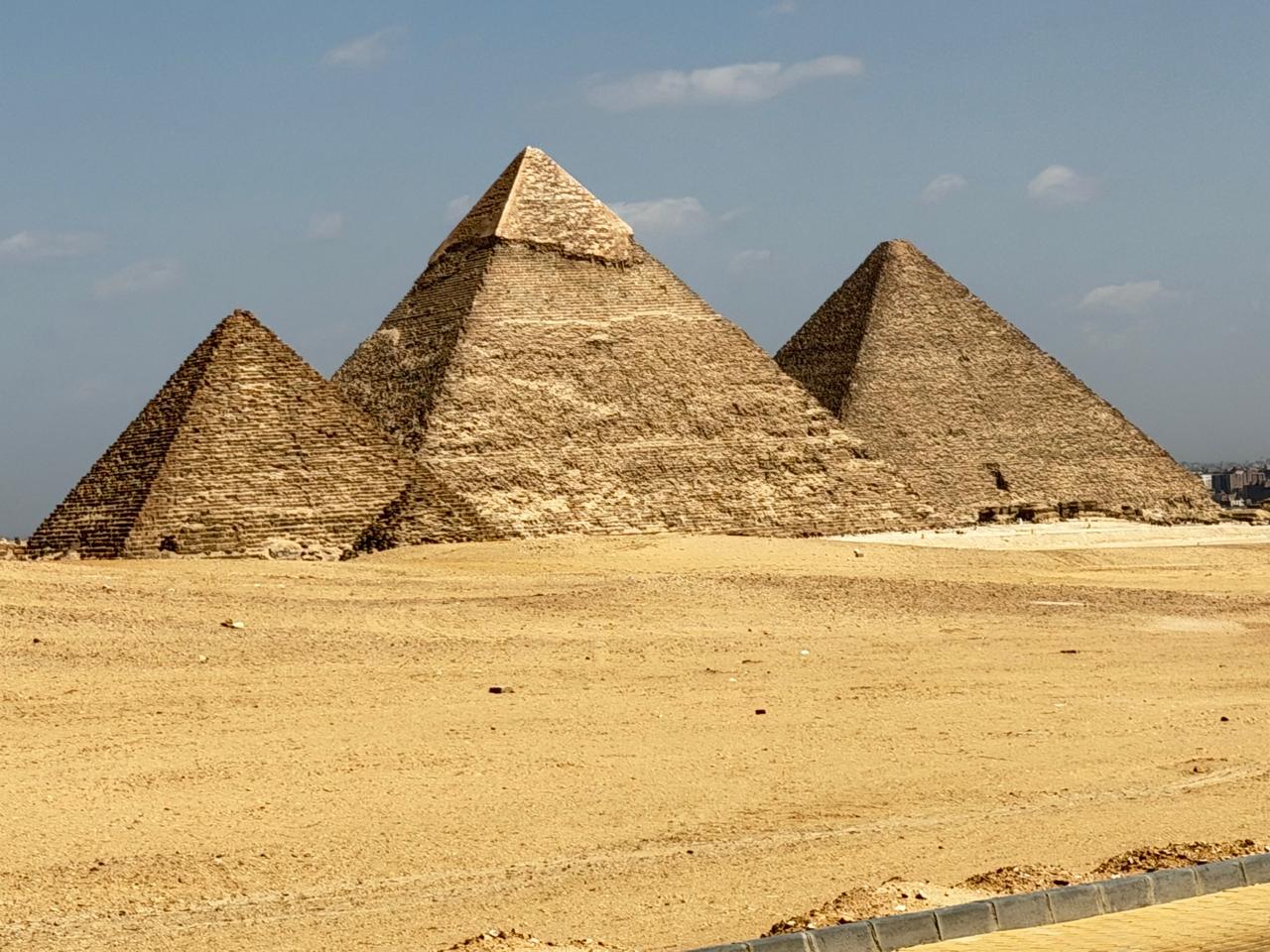
THE GIFT OF THE NILE
Ancient Egyptian life was shaped by a single factor:
The Nile River
Without it, Egypt would have been largely uninhabitable desert.
Each year, seasonal flooding deposited fertile black silt along the riverbanks.
This rich soil made agriculture possible and supported a growing population.
The ancient Greek historian Herodotus famously described Egypt as:
“The Gift of the Nile.”
WHERE DID PEOPLE LIVE?
Most Egyptians lived in villages and towns along the Nile Valley.
Settlements were concentrated near:
- Farmland
- Water sources
- Transportation routes
The vast deserts surrounding the river remained largely uninhabited.
Major urban centers included:
- Memphis
- Thebes (Luxor)
- Amarna
- Alexandria (later period)
Despite the existence of cities, most Egyptians lived in rural communities.
SOCIAL STRUCTURE
Egyptian society was highly organized.
Pharaoh
Supreme ruler and divine king.
Nobles and Officials
Managed administration and government.
Priests
Oversaw temples and religious activities.
Scribes
Responsible for writing and record keeping.
Craftsmen
Produced tools, statues, jewelry, and monuments.
Farmers
The largest segment of society.
Laborers
Performed manual work.
THE LIFE OF A FARMER
Most Egyptians were farmers.
Agriculture formed the backbone of the economy.
Farmers cultivated:
- Wheat
- Barley
- Flax
- Vegetables
- Fruits
Their work followed the rhythm of the Nile.
Flood Season
Akhet
Fields flooded.
Farmers repaired tools and worked on state construction projects.
Planting Season
Peret
Seeds were planted.
Harvest Season
Shemu
Crops were harvested and stored.
WHAT DID ANCIENT EGYPTIANS EAT?
The Egyptian diet was surprisingly varied.
Staple foods included:
Bread
The foundation of daily meals.
Beer
Consumed by adults and children alike.
Onions and Garlic
Common ingredients.
Lentils and Beans
Important sources of nutrition.
Fish
Abundant in the Nile.
Dates and Figs
Popular fruits.
Meat was generally reserved for wealthier households and special occasions.
THE EGYPTIAN HOME
Most houses were built from:
Mudbrick
a practical material made from Nile mud and straw.
Typical homes contained:
- Sleeping areas
- Kitchens
- Storage rooms
- Courtyards
Roofs often served as living spaces during cooler evenings.
Because mudbrick deteriorates over time, relatively few houses survive today.
FAMILY LIFE
Family stood at the center of Egyptian society.
Marriage was generally viewed as a practical partnership rather than a religious ceremony.
Most households included:
- Parents
- Children
- Extended family members
Children were highly valued and played an important role in family life.
WOMEN IN ANCIENT EGYPT
Compared to many ancient societies, Egyptian women enjoyed significant legal rights.
Women could:
- Own property
- Inherit wealth
- Conduct business
- Initiate divorce
- Appear in court
Some women even ruled Egypt.
The most famous example is:
Hatshepsut
one of Egypt’s greatest pharaohs
CHILDHOOD IN ANCIENT EGYPT
Children spent much of their early years helping their families.
They also enjoyed games and toys.
Archaeologists have discovered:
- Dolls
- Board games
- Balls
- Animal figurines
Education varied according to social status.
Most children learned family trades.
THE SCRIBES
Egypt’s Educated Elite
Writing was a specialized skill.
Scribes held respected positions because they could:
- Read
- Write
- Maintain records
- Manage administration
Many ambitious families hoped their sons would become scribes.
Did You Know?
Ancient Egyptian scribes sometimes trained for years to master hundreds of hieroglyphic signs.
CRAFTSMEN AND ARTISANS
Ancient Egypt produced some of the finest craftsmen in the ancient world.
These specialists created:
- Jewelry
- Statues
- Furniture
- Coffins
- Temple decorations
The artisans of Deir el-Medina are particularly famous for constructing and decorating royal tombs.
TRADE AND MARKETS
Although Egypt was largely self-sufficient, trade played an important role.
Merchants exchanged:
- Gold
- Ivory
- Incense
- Timber
- Copper
- Precious stones
Trade routes connected Egypt with:
- Nubia
- The Levant
- Punt
- The Mediterranean world
CLOTHING AND FASHION
Egypt’s hot climate influenced clothing choices.
Most garments were made from:
Linen
produced from flax.
Wealthier Egyptians wore:
- Fine linen
- Jewelry
- Cosmetics
- Perfumes
Fashion was surprisingly sophisticated.
BEAUTY AND PERSONAL CARE
Ancient Egyptians placed great importance on appearance.
Both men and women used:
- Cosmetics
- Perfumed oils
- Wigs
- Jewelry
Eye makeup made from kohl served both cosmetic and practical purposes by reducing glare and helping protect against infections
RELIGION IN DAILY LIFE
Religion permeated every aspect of Egyptian society.
People prayed to gods for:
- Health
- Protection
- Fertility
- Success
Households often contained small shrines.
Amulets provided spiritual protection
ENTERTAINMENT AND LEISURE
Today the pyramid appears rough.
Originally it looked very different.
The monument was covered in:
Highly Polished White Limestone
These casing stones reflected sunlight brilliantly.
Ancient visitors may have seen the pyramid shining across the landscape.
Many casing stones were removed during later centuries for construction projects in Cairo.
A DAY IN THE LIFE OF AN ORDINARY EGYPTIAN
Imagine a farmer living near Thebes around 1300 BC.
His day might begin before sunrise.
He would:
- Tend crops
- Repair tools
- Care for animals
- Share meals with family
- Participate in local religious activities
At sunset, he would return home, much as millions of Egyptians had done for generations.
Though separated from us by thousands of years, many aspects of daily life would feel surprisingly familiar.
WHY DAILY LIFE MATTERS
The greatness of Ancient Egypt was not built by pharaohs alone.
It depended upon:
✔ Farmers
✔ Craftsmen
✔ Scribes
✔ Merchants
✔ Priests
✔ Families
These ordinary people sustained one of history’s longest-lasting civilizations.
Their lives provide a human perspective often overlooked in discussions of pyramids and kings.
FREQUENTLY ASKED QUESTIONS
What did most Ancient Egyptians do for a living?
Most worked as farmers along the Nile Valley.
What was the main food in Ancient Egypt?
Bread and beer formed the foundation of the Egyptian diet.
Could women own property?
Yes. Egyptian women enjoyed significant legal rights, including property ownership.
Did children attend school?
Some did, particularly those training to become scribes, but many learned family trades.
What were houses made from?
Most homes were built from mudbrick.
WHY THE GREAT PYRAMID STILL AMAZES THE WORLD
The Great Pyramid represents:
✔ Architectural genius
✔ Engineering innovation
✔ Mathematical precision
✔ Astronomical knowledge
✔ Religious belief
✔ Human determination
More than four thousand years after its construction, it remains one of humanity’s greatest achievements.
FREQUENTLY ASKED QUESTIONS
How old is the Great Pyramid?
Approximately 4,500 years old.
Who built the Great Pyramid?
It was built during the reign of Pharaoh Khufu.
How many stones were used?
Approximately 2.3 million blocks.
Is the Great Pyramid aligned with true north?
Yes, with extraordinary accuracy.
Did Egyptians know advanced mathematics?
They possessed sophisticated practical geometry and surveying skills, although modern interpretations involving pi and the Golden Ratio remain debated.
related journals

6 min read
6 min read
6 min read