
Our Story
Hatshepsut: Egypt’s Female Pharaoh
Discover the extraordinary story of Hatshepsut, one of the most successful rulers in Ancient Egyptian history. Explore how she rose from queen to pharaoh, transformed Egypt through trade and monumental architecture, and how modern archaeologists solved the centuries-old mystery of her missing mummy.
ARTICLE INTRODUCTION
Among the many rulers of Ancient Egypt, few are as remarkable as Hatshepsut.
In a civilization dominated by male kings, she achieved something extraordinary.
She did not merely rule as queen.
She ruled as pharaoh.
For more than two decades, Hatshepsut governed one of the world’s most powerful kingdoms during a period of peace, prosperity, and architectural achievement.
Her reign witnessed:
- Major building projects
- International trade expansion
- Economic growth
- Religious development
Yet after her death, many traces of her rule were deliberately erased.
Her statues were destroyed.
Her names were removed from monuments.
For centuries, her final resting place remained unknown.
Then, in one of the most fascinating archaeological investigations of modern times, researchers uncovered evidence that may have finally identified her mummy
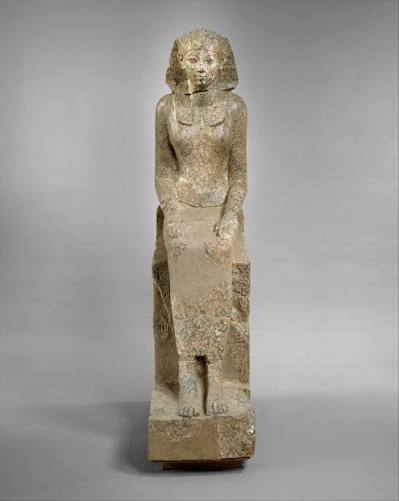
WHO WAS HATSHEPSUT?
Hatshepsut was born into Egypt’s royal family during the height of the New Kingdom.
Her father was:
Thutmose I
one of Egypt’s most successful military rulers.
As a princess, Hatshepsut received an education and status unavailable to most women.
She later married her half-brother:
Thutmose II
following royal tradition.
When Thutmose II died, the heir to the throne was still a child.
That heir was:
Thutmose III
Hatshepsut initially served as regent on his behalf.
Within a few years, however, she took a step that would change Egyptian history.
She declared herself pharaoh.
HOW DID HATSHEPSUT BECOME PHARAOH?
In Ancient Egypt, kingship was traditionally male.
Yet Egyptian ideology also emphasized divine legitimacy.
Hatshepsut carefully built a narrative that justified her rule.
She claimed:
- Divine approval
- Royal lineage
- Support from the gods
Temple inscriptions describe how the god Amun himself selected her to rule Egypt.
QUICK FACTS ABOUT HATSHEPSUT
|
Fact |
Details |
|
Full Name |
Maatkare Hatshepsut |
|
Dynasty |
18th Dynasty |
|
Reign |
c. 1479–1458 BC |
|
Father |
Thutmose I |
|
Husband |
Thutmose II |
|
Stepson |
Thutmose III |
|
Famous For |
Female Pharaoh, Deir el-Bahari Temple |
|
Burial Place |
Valley of the Kings (KV20) |
|
Mummy Identification |
Announced in 2007 |
A FEMALE KING IN A MALE ROLE
One of the most fascinating aspects of Hatshepsut’s reign is how she presented herself.
Many statues show her:
- Wearing the royal nemes headdress
- Holding kingly regalia
- Wearing the ceremonial false beard
THE GOLDEN AGE OF HATSHEPSUT
Unlike many rulers remembered for warfare, Hatshepsut is remembered for prosperity.
Her reign was characterized by:
✔ Stability
✔ Trade
✔ Construction
✔ Economic growth
✔ Religious devotion
Egypt flourished under her leadership.
THE FAMOUS EXPEDITION TO PUNT
One of Hatshepsut’s most celebrated achievements was a major trading expedition to:
The Land of Punt
Its exact location remains debated, but it was likely in the Horn of Africa.
The expedition brought back:
- Incense trees
- Gold
- Ebony
- Exotic animals
- Luxury goods
The journey is vividly depicted at her temple
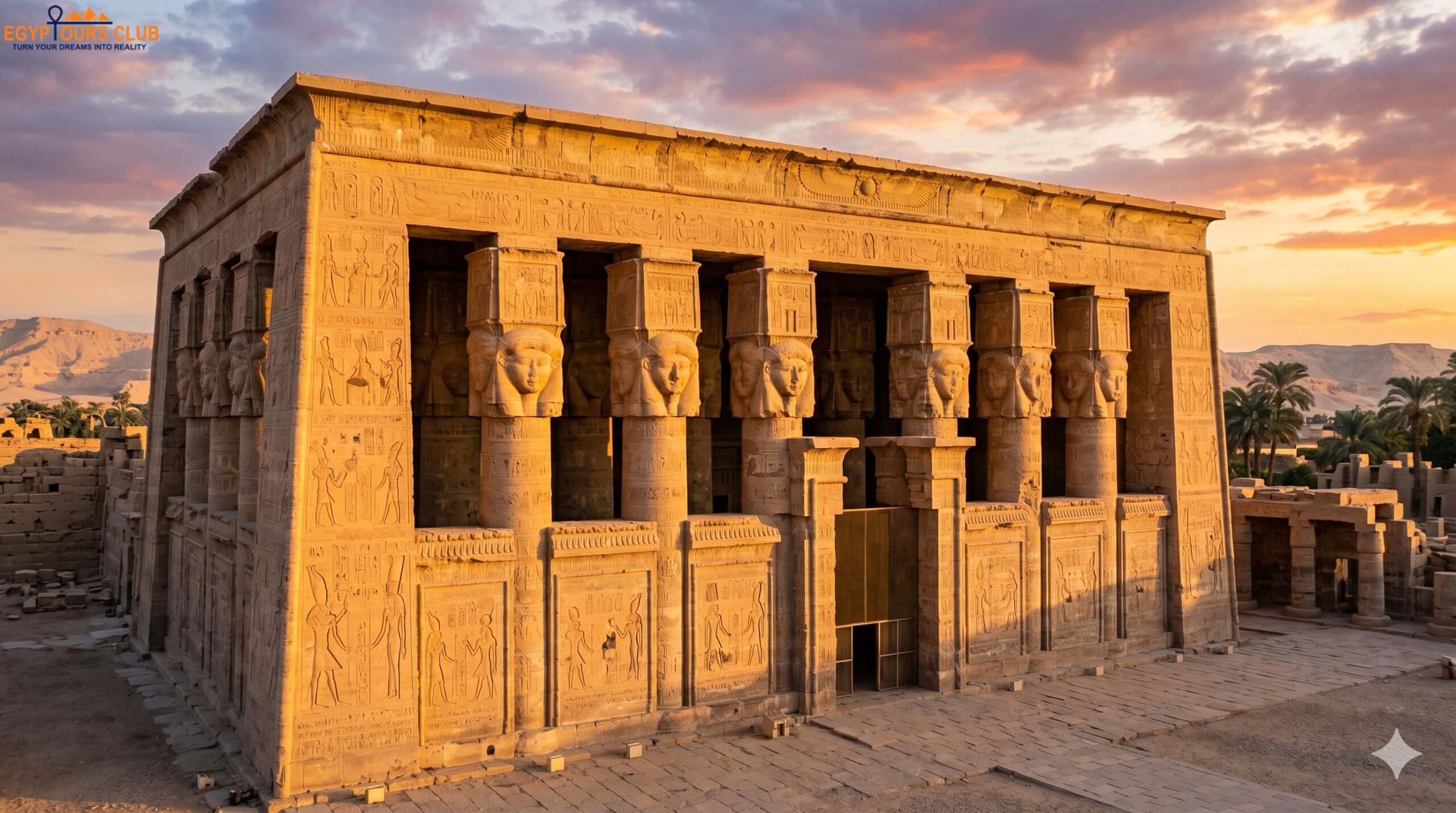
HATSHEPSUT'S GREATEST MONUMENT
Located on Luxor’s West Bank, this extraordinary temple remains one of Egypt’s architectural masterpieces.
Designed by her official Senenmut, the structure blends harmoniously into the cliffs behind it.
Features include:
- Grand terraces
- Colonnades
- Reliefs of Punt
- Religious sanctuaries
- Monumental architecture
Many visitors consider it one of the most beautiful temples in Egypt.
HATSHEPSUT AND SENENMUT
No discussion of Hatshepsut is complete without mentioning:
Senenmut
her trusted advisor, architect, and official.
He supervised many royal projects.
His close relationship with Hatshepsut has inspired centuries of speculation.
Historians continue to debate whether their connection was purely professional or something more personal.
No definitive evidence exists
WHY WAS HATSHEPSUT ERASED FROM HISTORY?
One of the greatest mysteries surrounding Hatshepsut concerns what happened after her death.
Years later, many of her monuments were altered.
Her images were damaged.
Her cartouches were removed.
For decades, scholars believed this was an act of revenge by:
Thutmose III
Modern historians propose more complex explanations.
Possible reasons include:
- Political legitimacy
- Dynastic continuity
- Preservation of traditional succession
Whatever the motive, her historical memory suffered significantly.
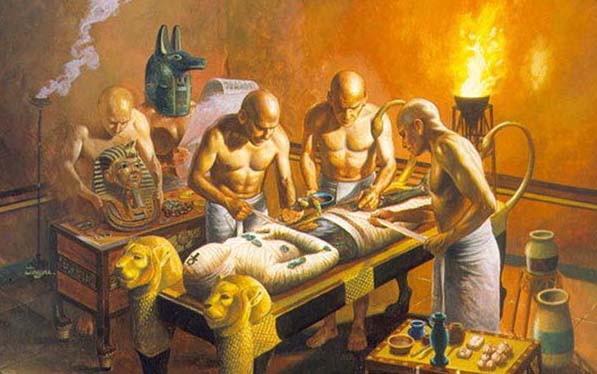
THE LOST MUMMY OF HATSHEPSUT
For generations, archaeologists searched for Hatshepsut’s mummy.
Unlike Tutankhamun or Ramses II, her remains were not clearly identified.
This became one of Egyptology’s greatest mysteries.
A MYSTERIOUS WOMAN IN KV60
In 1903, archaeologist Howard Carter discovered another tomb:
KV60
Inside were two female mummies.
For decades, one remained largely ignored.
Nobody knew her identity.
THE TOOTH THAT SOLVED THE MYSTERY
One of the most remarkable moments in modern Egyptology occurred in the early 2000s.
Researchers examined:
- CT scans
- DNA evidence
- Royal artifacts
Among the objects discovered was a small wooden box inscribed with Hatshepsut’s name.
Inside the box was:
A Tooth
Scientists compared the tooth with a gap in the jaw of one of the unidentified mummies.
The match appeared highly convincing
THE ANNOUNCEMENT OF 2007
In 2007, Egyptian authorities announced that the mummy from KV60 was likely:
Hatshepsut
While some scholars continue to debate aspects of the evidence, many Egyptologists accept the identification.
The discovery transformed understanding of one of Egypt’s most important rulers.
WHAT DID THE MUMMY REVEAL?
Medical examinations suggested Hatshepsut likely suffered from several health issues.
Researchers identified evidence consistent with:
- Obesity
- Arthritis
- Diabetes
- Dental problems
Some studies also suggest she may have suffered from cancer.
THE DEATH OF HATSHEPSUT
Hatshepsut died around:
1458 BC
after ruling Egypt for approximately twenty-two years.
Her reign left Egypt prosperous and stable.
Few rulers can claim such a successful legacy.
HATSHEPSUT'S LEGACY
Today, historians recognize Hatshepsut as:
- One of Egypt’s greatest rulers
- One of the most successful female leaders in history
- A master builder
- A skilled political strategist
Her achievements challenge many assumptions about women in the ancient world.
WHY HATSHEPSUT MATTERS TODAY
Hatshepsut’s story combines:
✔ Political ambition
✔ Architectural brilliance
✔ Female leadership
✔ Archaeological mystery
✔ Modern scientific investigation
Few pharaohs offer such a compelling combination of history and discovery.
FREQUENTLY ASKED QUESTIONS
Was Hatshepsut really a pharaoh?
Yes. She ruled Egypt as pharaoh for more than twenty years.
Why did Hatshepsut wear a beard?
The ceremonial beard was a traditional symbol of kingship.
Was Hatshepsut successful?
Extremely. Her reign brought prosperity, trade expansion, and monumental construction.
Has Hatshepsut’s mummy been found?
Most Egyptologists believe her mummy was identified in 2007 using archaeological and medical evidence.
What is Hatshepsut most famous for?
Her temple at Deir el-Bahari and her unprecedented role as a female pharaoh.
related journals

6 min read
6 min read
6 min read