
Our Story
Luxor Travel Guide
Discover Luxor, the ancient city of Thebes and the world’s greatest open-air museum. Explore monumental temples, royal tombs, hidden archaeological treasures, and the timeless beauty of the Nile in Egypt’s most extraordinary destination.
overview
Few places on Earth offer a concentration of history comparable to Luxor.
Known in antiquity as Thebes, Luxor served as the religious and political capital of Egypt during the New Kingdom, the golden age of the pharaohs.
Today, it is home to some of the most remarkable archaeological sites ever discovered, including the Valley of the Kings (/attractions/valley-of-the-kings), Karnak Temple (/attractions/karnak-temple), and Luxor Temple (/attractions/luxor-temple).
Yet Luxor is more than a collection of monuments.
It is a living city divided by the Nile into two worlds:
- The East Bank, where temples celebrated life and divine kingship.
- The West Bank, where tombs and mortuary temples honored eternity and the afterlife.
For travelers interested in ancient Egypt, Luxor is not simply a destination.
It is the heart of the ancient world itself.
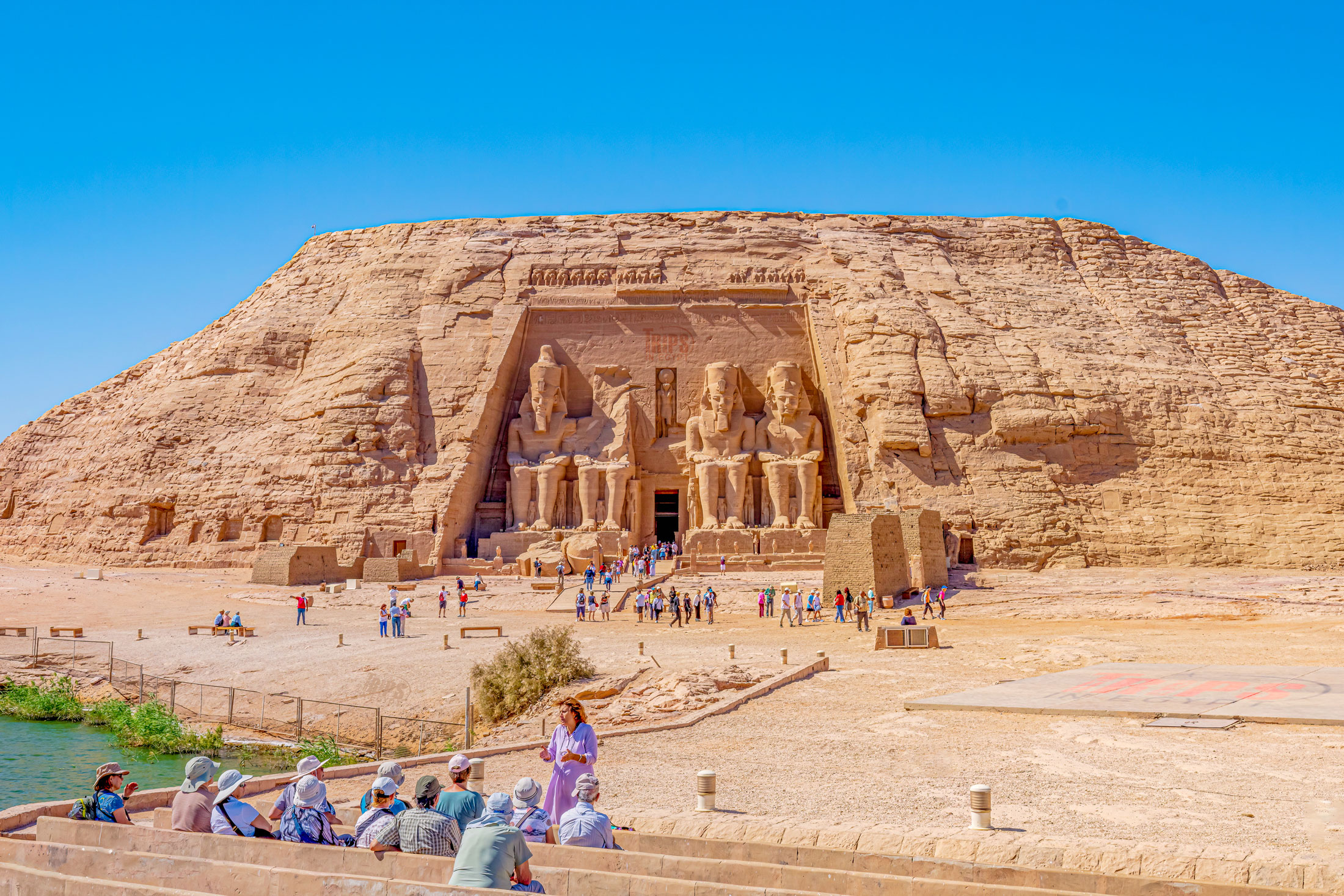
WHY VISIT LUXOR?
Luxor is often considered the single most important destination in Egypt after Cairo.
Reasons include:
✔ Home to the Valley of the Kings
✔ Karnak Temple, the largest religious complex ever built
✔ Luxor Temple, one of Egypt’s most beautiful monuments
✔ Tombs of legendary pharaohs
✔ Exceptional archaeological preservation
✔ Traditional Nile scenery
✔ Ideal starting point for a Luxury Nile Cruise (/nile-cruises)
✔ Rich cultural heritage and local life
Many travelers arrive expecting a few temples.
Most leave feeling they have walked through the pages of history.
WHERE IS LUXOR?
Luxor lies in Upper Egypt, approximately 650 kilometers south of Cairo.
It sits on both sides of the Nile River and serves as the primary gateway to the archaeological treasures of ancient Thebes.
Most visitors reach Luxor via:
- Domestic flight from Cairo
- Nile cruise from Aswan
- Private Egypt tour
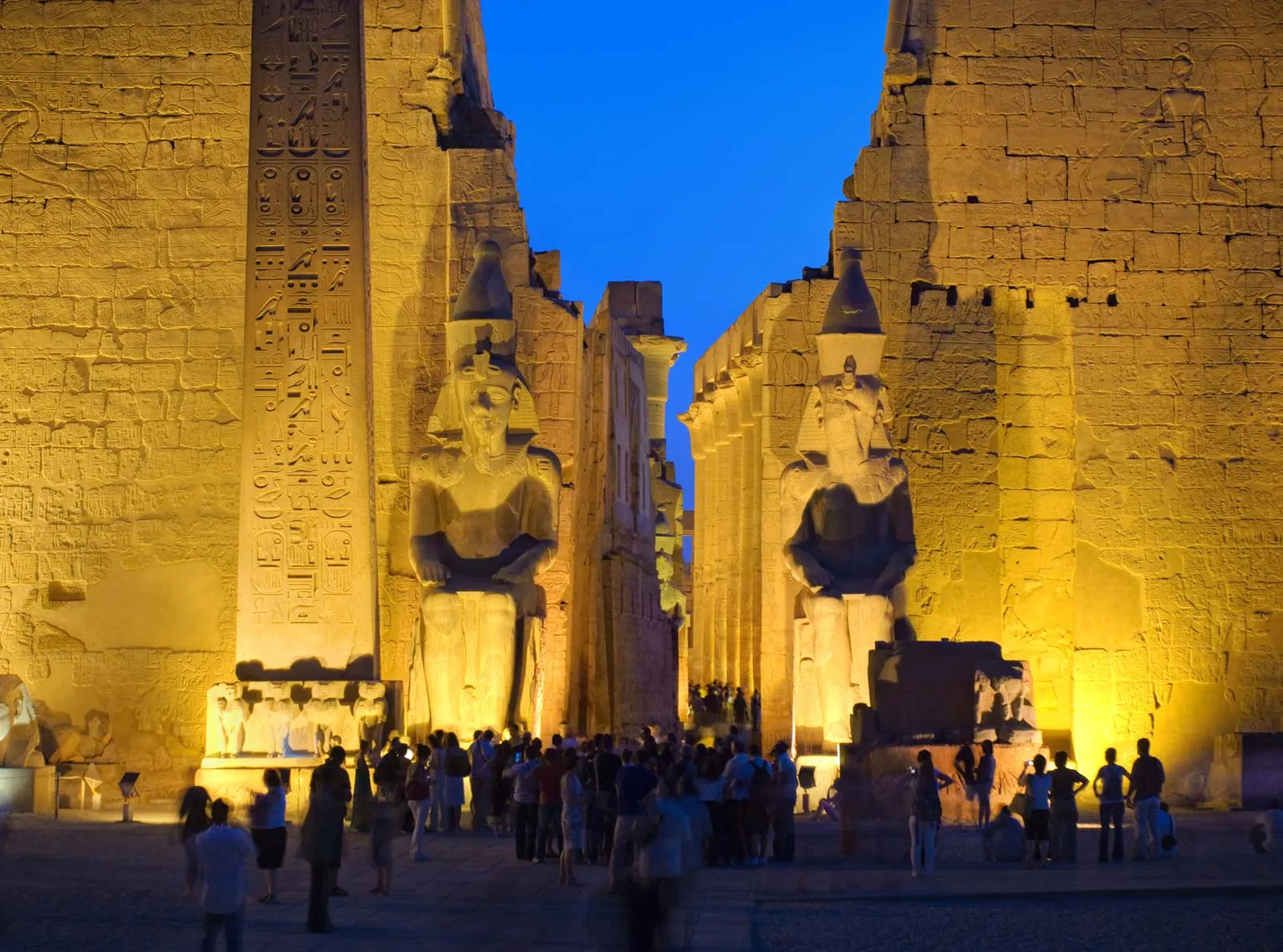
UNDERSTANDING LUXOR:
EAST BANK VS WEST BANK
One of the most important things to understand about Luxor is its geography.
The Nile divides the city into two symbolic worlds.
EAST BANK
The City of the Living
The East Bank was the center of daily life and religious activity.
Ancient Egyptians associated the rising sun with life, renewal, and divine power.
Major attractions include:
Karnak Temple
Luxor Temple
Luxor Museum
Mummification Museum
WEST BANK
The Realm of Eternity
The West Bank was associated with death and rebirth.
Here the sun disappeared beyond the desert horizon each evening.
Major attractions include:
Valley of the Kings
Temple of Hatshepsut
Medinet Habu
Valley of the Queens
Colossi of Memnon
Deir el-Medina
Together they form one of the most significant archaeological landscapes in the world.
TOP THINGS TO DO IN LUXOR
- Explore Karnak Temple
Karnak is not merely a temple.
It is an entire sacred city.
Constructed over nearly 2,000 years, Karnak contains:
- Massive pylons
- Obelisks
- Sacred lakes
- Colossal statues
- The famous Hypostyle Hall
No photograph adequately prepares visitors for its scale.
For many travelers, Karnak becomes the most impressive temple complex in Egypt.
- Visit Luxor Temple at Sunset
Unlike Karnak, Luxor Temple feels intimate and elegant.
Located in the heart of the modern city, it becomes particularly magical during sunset and evening illumination.
The temple played a central role in the ancient Opet Festival and remains one of Egypt’s most atmospheric monuments.
- Discover the Valley of the Kings
Hidden beneath the desert hills are the tombs of Egypt’s greatest rulers.
More than sixty royal tombs have been discovered here, including the tomb of:
Tutankhamun
The vivid wall paintings remain among the finest surviving examples of ancient Egyptian art.
For many visitors, this is the highlight of Luxor.
- Visit the Temple of Hatshepsut
Built against dramatic limestone cliffs, the mortuary temple of Queen Hatshepsut is one of Egypt’s most distinctive monuments.
Its elegant terraces and harmonious design make it an architectural masterpiece.
- Explore Medinet Habu
Often overlooked by first-time visitors, Medinet Habu is one of Luxor’s hidden treasures.
Dedicated to Ramses III, the temple contains:
- Exceptionally preserved reliefs
- Original colors
- Monumental architecture
Many Egyptologists consider it one of the finest temples in Egypt.
- Visit Deir el-Medina
This ancient workers’ village provides a rare glimpse into the lives of the artisans who built the royal tombs.
Its decorated tombs often rival those of the pharaohs themselves.
- See the Colossi of Memnon
These giant seated statues have guarded the Theban necropolis for over 3,400 years.
Although all that remains of a once vast temple complex, they continue to impress visitors today.
BEST TIME TO VISIT LUXOR
Luxor is a year-round destination, but weather varies significantly.
October to April
Ideal temperatures.
Best sightseeing conditions.
Peak travel season.
May to September
Hotter temperatures.
Fewer crowds.
Excellent hotel rates.
HOW MANY DAYS DO YOU NEED IN LUXOR?
Minimum
2 Days
Recommended
3–4 Days
Ideal
4–5 Days
This allows time to experience:
- East Bank monuments
- West Bank monuments
- Museums
- Nile experiences
- Local culture
SHOULD YOU STAY IN LUXOR OR TAKE A NILE CRUISE?
Many travelers face this question.
The answer depends on your travel style.
Stay in Luxor If:
✔ You want deeper exploration
✔ You enjoy slower travel
✔ You plan extensive archaeology visits
Choose a Nile Cruise If:
✔ You want Luxor and Aswan together
✔ You enjoy scenic travel
✔ You prefer all-inclusive convenience
LUXOR FOR HISTORY LOVERS
If Cairo introduces visitors to ancient Egypt, Luxor reveals its soul.
Almost every major pharaoh of the New Kingdom left a mark here.
Among them:
- Hatshepsut
- Thutmose III
- Amenhotep III
- Tutankhamun
- Seti I
- Ramses II
No destination offers a richer understanding of pharaonic civilization.
Dining in Luxor
While Luxor is celebrated for its extraordinary temples and royal tombs, the city also offers a surprisingly diverse dining scene ranging from elegant hotel restaurants overlooking the Nile to charming local establishments serving authentic Egyptian cuisine.
Whether you are looking for a romantic dinner, traditional Egyptian flavors, or refined international cuisine, Luxor offers options for every travel style.
Luxury Dining
1886 Restaurant — Sofitel Winter Palace
One of Egypt’s most iconic fine-dining restaurants, offering elegant service and historic surroundings within the legendary Winter Palace.
Ideal for:
✔ Couples
✔ Special occasions
✔ Luxury travelers
The Lantern Room
A highly regarded restaurant known for quality cuisine, attentive service, and an intimate atmosphere.
Ideal for:
✔ Couples
✔ Small groups
✔ Evening dining
Nile View Restaurants
Al Sahaby Lane Restaurant
Located near Luxor Temple, offering panoramic views, traditional Egyptian dishes, and a relaxed atmosphere.
Ideal for:
✔ Sunset dining
✔ Authentic Egyptian cuisine
✔ First-time visitors
Authentic Egyptian Cuisine
Sofra Restaurant
One of Luxor’s most beloved traditional restaurants.
Highlights include:
- Molokhia
- Stuffed pigeon
- Kofta
- Tagines
Ideal for travelers wishing to experience authentic Egyptian hospitality.
OUR RECOMMENDATION
For first-time visitors, Luxor deserves far more than a quick stop.
Spend enough time to explore both banks of the Nile, visit the lesser-known sites, and appreciate the extraordinary concentration of history found nowhere else on Earth.
The deeper you explore Luxor, the more rewarding it becomes.
related journals

6 min read
6 min read
6 min read